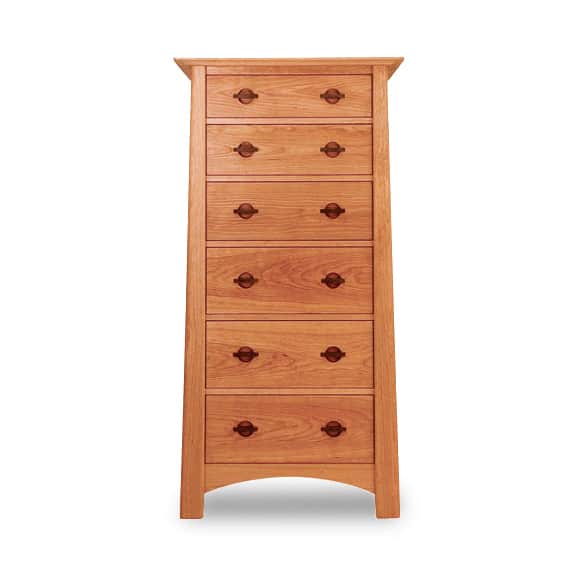
Cherry Moon Lingerie Chest
Sustainably handmade cherry lingerie chest with walnut pulls offers durable, eco-friendly storage that fits neatly into any room, delivering clean lines, lasting charm, and a calm, clutter-free experience.
In the quiet, enduring beauty of Vermont—from frost-kissed mornings to sunlit pines—sleep becomes an art. The textiles that cradle your nightly rituals are not merely functional; they are a quiet conversation with the climate, the season, and the memory of a cabin corner where warmth and calm meet. This guide invites you to explore bed sheets by material through a Vermont lens: how cotton, linen, and blends behave across the year, how they breathe in our New England air, and how to care for them so that comfort lasts as gracefully as the landscape itself.
Sheet material is more than a texture; it is a dialogue between body and environment. In Vermont, where winters are crisp and summers can be humid or breezy, the choice of fabric influences temperature, moisture management, and the daily ritual of slipping between cool sheets after a long day. Below, we unfold the three most common categories—cotton, linen, and blends—through a Vermont-inspired lens, highlighting their unique virtues, seasonal suitability, and care considerations.
Cotton sheets are a perennial favorite for their softness, durability, and easy care. In Vermont’s climate, cotton offers a versatile baseline: a breathable baseline for summer heat and a cozy layer when paired with warmer blankets in autumn and winter. Long-staple cottons, such as Egyptian or Pima, typically deliver a smoother hand and better drape, while combed or organic cotton emphasizes simplicity and sustainability—values we often celebrate in Vermont’s local textile ethos.
Key considerations include thread count and weave type. While a higher thread count can suggest a denser fabric, it isn’t the sole indicator of quality. In cooler months, mid-range thread counts with a smooth sateen or percale weave can balance warmth and airflow. For climate consistency, you might favor a cotton sheet that breathes well during the milder Vermont springs and cools a bit during those warm spell summers.
Linen sheets bring a distinct character to the bed: a natural texture, a subtle slub, and a remarkable ability to wick moisture and adapt to temperature. For Vermont winters, linen may feel a touch crisper at first but relaxes with use, offering a breathable comfort that remains light in the summer heat. Linen’s inherent durability makes it a long-lived companion, particularly appealing in a region that values craftsmanship and local sourcing.
Care for linen typically involves gentle washing and a light tumble on low heat or air drying. Over time, linen softens and gains a lived-in charm that resonates with Vermont’s rustic, serene aesthetic. If you pair linen sheets with a warmer duvet in winter, you create a sleeping environment that embraces seasonal shifts rather than fighting them.
Blends—such as cotton-polyester or cotton-linen—offer a practical middle path: improved wrinkle resistance, easier care, and consistent performance across temperature fluctuations. In a Vermont context, blends can be particularly appealing for households seeking lower maintenance without sacrificing comfort. The exact blend ratio shapes texture, drape, and breathability, so consider your climate, laundry routine, and preferred hand when selecting.
When evaluating blends, examine the textile’s construction, including the weave, finishing processes, and the presence of any clouding or pilling over time. Vermont homes often celebrate a balance between convenience and natural materials, and a well-chosen blend can honor that balance with everyday practicality.
A Vermont-inspired sleep routine respects the calendar. The cold, dry air of winter begs for layers and warmth; the brief but bright springs call for breathable fabrics; summer nights, particularly in older homes with varying insulation, benefit from lighter textures that promote air circulation. Here is a practical approach to sheet selection and layering across seasons.
During Vermont’s winter, you want sheets that feel inviting yet don’t trap moisture or create excess heat. Opt for a modestly weighted cotton sateen or a combed cotton with a soft, smooth surface. If you lean toward linen for its texture, choose a mid-weight linen that yields a gentle warmth when paired with a quilt or duvet. Layering remains key: consider a warm duvet or comforter with a breathable top sheet to balance heat retention and moisture management.
As temperatures rise and humidity may begin to climb, breathability becomes paramount. Linen shines here, offering cooling properties and a natural air flow that helps regulate sleeping temperature. Cotton sheets with a percale weave can also deliver crisp cooling for those temperate Vermont nights. This is the moment to embrace lighter bedding and the clean feel of a well-chosen top sheet or lightweight duvet cover.
In midsummer, you want fabrics that stay cool with minimal moisture retention. Linen again becomes a favored choice, as its structure supports airflow even in warmer bedrooms. If linen feels too textured for your taste, a cool cotton-percale blend can offer a crisp hand and excellent breathability. The goal is to maintain a steady, comfortable sleeping environment without fuss.
Autumn in Vermont invites layering, texture, and a return to warmer tones. You can reintroduce a slightly heavier sheet or pair a medium-weight cotton with a soft duvet for a cozy transition. Texture matters here: a brushed cotton or a lightly sheared cotton can offer tactile comfort that pairs beautifully with wool blankets or throws, echoing the natural textures visible in the Vermont landscape.
When evaluating sheets, certain terms help you decode what you’re buying. Understanding the distinction between thread count and fabric weight, the significance of weave types, and the meaning of care symbols empowers you to make informed choices that align with climate, lifestyle, and taste.
Caring for sheets in a climate that emphasizes craft, longevity, and sustainability is a form of respect for the materials. Proper washing, drying, and storage help maintain softness, color, and structural integrity. Here are practical practices to keep your Vermont-inspired sheets in pristine condition across the years.
While the land and season influence mood, your bedding should also harmonize with your space's design language. In Vermont, the aesthetic often nods to natural beauty, handcrafted details, and a sense of timeless quiet. Your sheets, while not the centerpiece of a room, can echo this aesthetic through material choice, color, and finish. Consider pairing neutral whites and creams with subtle texture—think a linen’s natural slub or a percale’s crispness—with a palette drawn from Vermont’s landscapes: sage greens, slate blues, warm taupes, and earthy browns.
If you seek a refined, editorial feel for a Vermont-inspired bedroom, let the sheets speak softly. A linen top sheet with a cotton-blend duvet cover can anchor the room in tactile depth, while a set of high-thread-count cotton sheets can ground the bed in a sense of quiet luxury. The goal is a layered, cohesive look that remains comfortable and lived-in, much like Vermont itself.
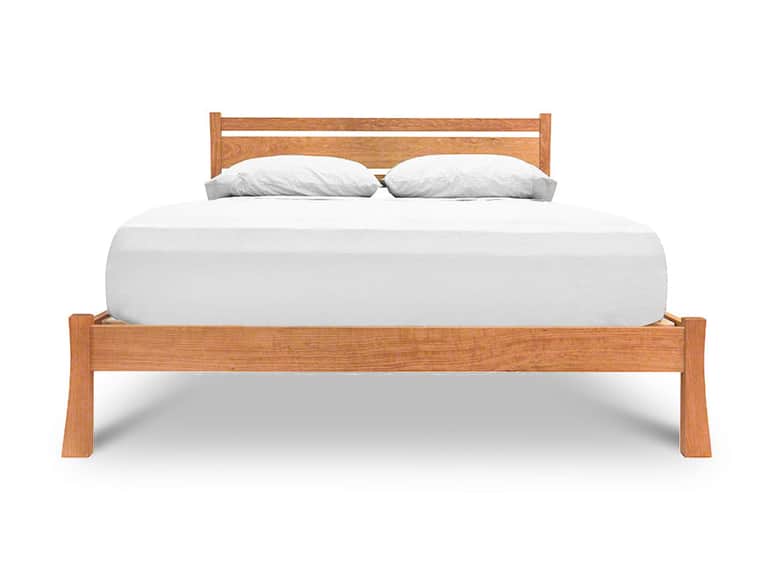
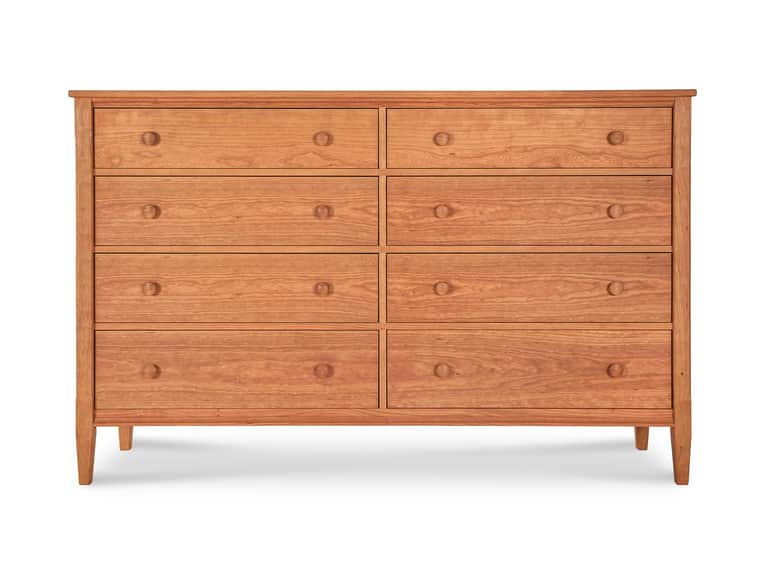
Within this site, you will find a selection of furnishings and accessories that complement a bedding-forward approach to interior design. While our focus remains educational and non-commercial, we acknowledge pieces from Vermont makers that embody the values of craftsmanship, longevity, and sustainable sourcing. For example, crafted storage and bedroom furniture by Vermont-based studios often emphasizes solid woods, natural finishes, and precise construction—mirroring the same care you apply to your linens. If you explore our catalog, you will see references to brands and products that fit the Vermont sensibility of quiet luxury and enduring quality.
Note: the products listed below are provided as reference for readers who appreciate Vermont-made craftsmanship and durable design. They are not endorsements or endorsements of any particular retailer beyond their relevance to the overarching Vermont-inspired bedding narrative.
In a complete sleep environment, textiles and furniture coexist to create a refined, comfortable space. While the focus here is on sheets and fabrics, it is natural to consider how furniture complements your bedding story. Vermont-made furniture often showcases solid wood construction, eco-friendly finishes, and timeless silhouettes that harmonize with natural textures. When selecting a bed frame, platform, or dresser, consider how the finish, grain, and hardware echo the textures of your linens. The result is a cohesive room that feels both curated and effortlessly warm, a hallmark of Vermont design ethos.
Published date: September 30, 2026